American Society of Acupuncturists
2026 Live In-Person Only Conference Schedule
Saturday & Sunday: April 25-26, 2026
Live In-Person at the
Hyatt Regency Hotel
in Minneapolis, MN
1300 Nicollet Mall, Minneapolis, MN 55403
15.5 NCBAHM/NCCAOM PDAs approved
15.5 CEUs (Cat 1) approved for California Acu Board (CAB), provider #1527
Free BONUS Pre-conference On-Demand Webinar Series for all Conference Registrants Only with 2 weeks access (starting April 11, 2026)
15 NCBAHM/NCCAOM PDAs approved
15 CEUs (Cat 1) approved by California Acu Board (CAB), provider #1527
Up to a total of 30.5 NCBAHM/NCCAOM PDAs approved
Up to a total of 30.5 CEUs (Cat 1) approved by the California Acu Board (CAB), provider #1527
Embrace the opportunity to take bold and inspired action that propels you toward your goals and aspirations with a community driven by commitment for the the work they do and lives they inspire.
Schedule of Events
Saturday, April 25, 2026
7:30AM – 8:25 AM
Individualized Qigong Prescriptions focusing on Yin/Yang and the Meridian System
 Colleen D. Lewis, LAc, MSOM, MQI, Dipl. Ac. (NCBAHM)
This practical and experiential survey introduces basic recipes for creating individualized Qigong prescriptions while reviewing why and how Qigong is integral to every acupuncture patient and clinic.
Educating clients by adding Qigong to their acupuncture treatment protocol empowers them toward better health and more motivated self-care. Basic forms which can be immediately assimilated, modified, and available for sharing with patients will get you started. Participants are not expected to remember specific forms during this sampler. Instead, they will experience a perspective for Qigong integration into the acupuncture clinic, allowing clients another pillar of support for their acupuncture journey.
The first qigong exploration begins with grounding and running Earth/Sky Qi (Yin/Yang) before moving into Basic Ingredient Qigong. Day one will focus on Yin/Yang and Meridian/Medical Qigong.
8:30 AM – 9:00 AM
Welcome & Update for ASA 2026
9:00 AM – 10:15 AM
Integration and Collaboration: How Acupuncture Can Impact Healthcare Delivery and Contribute to New System Models of Providing Care
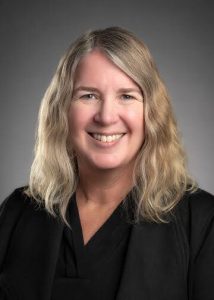
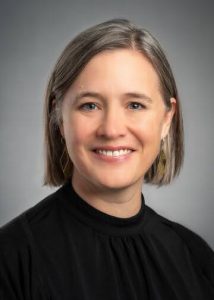
Nicholas Dougherty, DAOM, FAIHM, LAc, Dipl. Ac. (NCBAHM); Jason Landry, LAc, Dipl. OM (NCBAHM); Kelly McBride, MAOM, LAc, Dipl. OM (NCBAHM); Megan Odell, LAc, Dipl. Ac. (NCBAHM); with moderator Jill S. Rahn M.S.AOM, LAc, Dipl. Ac. (NCBAHM)
Penny George Institute of Health and Healing (PGIHH) is a large hospital-based Integrative Medicine Group. Originating in 2005 the PGIHH acupuncture program has grown to currently employ 30 TEAM providers. In 2025, our Acupuncture provider group provided more than 40,000 patient interventions reaching more than 5,000 unique patients.
This four person panel will discuss the conference topics of Research, Integration, Networking, and Growth and how they apply to the success and sustainability of our Traditional East Asian Medicine program within the Allina Health system. The panel will also discuss how TEAM offerings within the Allina system have impacted how wider care in the Allina Health system has been delivered over the years, and how development of our group practice model has positively impacted sustainability.
10:15 AM – 10:45 AM Exhibitor Hall/Break
10:45 AM – 12:00 PM
Technology in Acupuncture and Herbal Medicine Panel
1. Practical AI & Business Systems for Sustainable Acupuncture Clinics
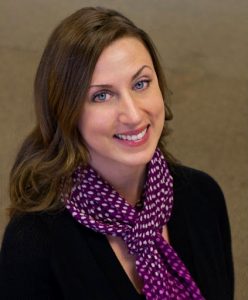 Lindsay Long, MSOM, C.SMA, LAc
Most acupuncturists were trained to be excellent clinicians, not CEOs. As a result, many creative, sensitive practitioners feel isolated, underpaid, and close to burnout, even while delivering life changing care. This lecture shows how simple, ethical uses of AI and clear business systems can support practitioners to build sustainable, profitable, patient centered clinics without losing the soul of our medicine.
Drawing on sixteen years of building and scaling two cash based acupuncture clinics, teaching sports and orthopedic acupuncture, and mentoring clinic owners nationwide, I will break down a practical framework any practitioner can apply, even if they are not “techy.” We will walk through real case examples of how AI tools can streamline charting, patient education, marketing, and operations so that acupuncturists can spend more time in relationship and less time in admin overwhelm.
2. Integrating Modern Technology and Chinese Medicine in the Treatment of Metabolic Syndrome: Advancing the Future of Integrative Practice
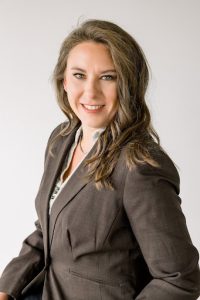 Julie Armstrong, DACM, LAc, MSBME, MSOM
Metabolic syndrome has become a defining challenge of modern healthcare, linked to rising rates of cardiovascular disease, obesity, diabetes, and inflammatory disorders. It is not merely a metabolic imbalance but a systemic condition rooted in lifestyle, environmental toxicity, and stress — factors long recognized within Traditional Chinese Medicine (TCM) as disturbances of qi, dampness, and internal heat.
This presentation explores how to integrate the diagnostic and therapeutic strengths of TCM with modern biomedical technology to enhance patient outcomes, practitioner credibility, and interdisciplinary collaboration. Drawing on two decades of combined experience in biomedical engineering and Chinese medicine, Dr. Julie Armstrong demonstrates how tools such as low-level laser therapy (LLLT) and laboratory diagnostics can be used alongside acupuncture, herbal medicine, and dietary therapy to create a measurable, data-driven model for integrative care.
Participants will examine the intersection between research and practice — learning how to apply modern technologies while maintaining fidelity to classical Chinese medical theory. Real-world case examples illustrate how these approaches have lowered A1C and improved kidney and liver function, while also addressing insulin resistance and systemic inflammation through patient education and engagement.
The course also emphasizes the practitioner’s evolving role within integrative healthcare systems, providing practical frameworks for communication with biomedical professionals, documenting outcomes, and contributing to the growing evidence base that will shape the future of acupuncture and herbal medicine.
Ultimately, this presentation provides both a scientific and clinical foundation for the next evolution of our profession — merging research-driven precision with the enduring wisdom of traditional healing to address one of the most pressing health challenges of our time.
Learning Objectives:
- Analyze the pathophysiology of metabolic syndrome through both TCM and biomedical frameworks.
- Design integrative treatment protocols combining acupuncture, herbal medicine, and low-level laser therapy.
- Evaluate how diagnostic technology enhances clinical outcomes and research validity.
- Implement strategies for effective interdisciplinary communication and sustainable clinical integration.
Key Takeaways:
Participants will leave with a practical toolkit of integrative strategies that combine traditional Chinese medicine, modern diagnostics, and technology-assisted therapies — equipping them to enhance clinical outcomes, engage in evidence-based research, and thrive as leaders in the evolving healthcare landscape.
3. Integrating Modern Technology to Enhance Diagnosis in Acupuncture Practice
 Weihui Li, PhD (Biomedical Engineering), MAOM, LAc
This session explores how emerging biomedical technologies can complement and enhance traditional acupuncture diagnosis. While classical assessment methods such as pulse, palpation, and observation remain central to acupuncture practice, new tools now allow practitioners to quantify physiological parameters that were once purely qualitative. By integrating technology into clinical observation, practitioners can refine diagnostic accuracy, improve patient communication, and strengthen the scientific foundation of their practice.
Dr. Li, a biomedical engineer and licensed acupuncturist, will introduce several diagnostic technologies currently being applied in acupuncture research and clinical practice:
- Myolex Device: evaluates muscle tension and soft tissue elasticity, helping identify regions of muscular imbalance or meridian blockage.
- Ultrasound Elastography: measures muscle and fascia stiffness to assess mechanical properties associated with qi stagnation and pain syndromes.
- Infrared Thermography: visualizes temperature and blood flow distribution across the body surface, revealing heat–cold patterns consistent with TCM syndromes.
- Pulse Diagnosis Machine: employs sensor-based waveform and frequency analysis to assist practitioners in understanding cardiovascular and energetic parameters objectively.
Through live demonstrations, case examples, and discussion of recent clinical research, attendees will gain insight into how these technologies can be incorporated into real-world acupuncture practice.
1:30 PM – 2:30 PM
Acupuncture & CNS Effects: Advanced Clinical Assessment
 Ayla Wolf DAOM, LAc, Dipl. OM (NCBAHM)
As our understanding of neuroscience deepens, acupuncture’s influence on central nervous system function continues to reveal measurable and clinically meaningful effects. This presentation — “Acupuncture & CNS Effects: Advanced Clinical Assessment” — bridges traditional theory with modern neurological science, demonstrating how refined assessment techniques can objectively illustrate changes in brain function resulting from acupuncture.
Through a series of short, real-world case presentations, attendees will observe how high-level neurological examination can be used to track and quantify central changes following acupuncture treatment — highlighting the subtle yet profound effects acupuncture has on sensorimotor integration, brainstem regulation, and autonomic balance.
Case examples include:
- Acupuncture for improving balance through modulation of cerebellar and vestibular networks.
- Resolution of downbeat nystagmus via acupuncture’s influence on vestibulocerebellar circuitry.
- Treatment of centrally mediated vestibulopathy and disequilibrium, emphasizing sensory reweighting and cortical integration.
- Reduction of POTS (Postural Orthostatic Tachycardia Syndrome) symptoms through autonomic recalibration and vagal support.
Participants will gain insight into practical examination techniques—such as ocular motor testing, balance and coordination assessment, and autonomic response monitoring—that can enhance clinical precision and patient outcomes. The presentation will emphasize integrative reasoning, showing how ancient teaching aligns with modern concepts of neuroplasticity, interoception, and central modulation.
By merging clinical observation, neurological testing, and the lived experience of patients, this session aims to inspire practitioners to view acupuncture not only as a peripheral intervention but as a direct means of influencing brain function and neurophysiological recovery.
2:30 PM – 3:30 PM
Classical Medicine with Modern Conditions Panel
Sponsored by Tianjiang/Treasure of the East
1. Synchronizing Science and Spirit: Reframing the Gut–Brain Axis through the Lens of Classical Herbalism and Modern Microbiology
 Brehan Crawford, MAcOM, LAc
In the last decade, research on the gut–brain axis has revealed what classical East Asian physicians articulated centuries ago: that digestion, emotion, and immunity move in rhythm. Yet, modern practitioners are often left straddling two worlds: one rooted in empirical tradition, the other in reductionist data, without a bridge strong enough to join them. This presentation offers that bridge.
Drawing from emerging research on the enteric nervous system, microbial signaling, and neuroimmune crosstalk, this talk will demonstrate how classical herbal strategies — particularly those addressing dampness and qi deficiency — can be reframed in biomedical terms resonating with patients, colleagues, and policymakers alike. Attendees will learn how the language of physiology can preserve the depth of traditional understanding while enhancing credibility and integration in multidisciplinary settings.
Coming from a philosophy that TCM and biomedicine are simply two different ways of describing the same phenomena, this presentation will help practitioners rediscover the shared rhythm between disciplines, and between themselves and their communities.
2. Treating Long COVID with Chinese Medicine: Successful Acupuncture and Herbal Strategies
 Brendan Kelly, DAHM, LAc, Herbalist
The estimated effects of long COVID here in the US are staggering: 18-20 million people affected, 3-4 million applying for permanent disability, $175-200 billion dollars of lost wages annually. The good news is that Chinese medicine is very capable of treating the myriad of symptoms associated with the condition. The class will present theoretical and clinical ideas for understanding and treating long COVID and how Chinese medicine can help address larger, macro-level issues of policy and economics. Included will be information from the article which I co-authored with two MDs from Dartmouth Hitchcock Medical Center that was published in April 2025 in the Journal of Integrative Medicine. Titled “Long COVID Response to Classical Chinese Medicine,” it includes detailed case studies from my clinical experience successfully treating patients with a wide variety of long COVID symptoms as well as data about larger societal and economic issues.
4:00 PM – 5:00 PM
AI for Acupuncture Marketing: How to Save Time, Stay Consistent, and Grow Your Practice
 Michelle Grasek, MSAOM, LAc
Sponsored by Jane

- How to think about AI (It’s your assistant, not your replacement)
- What AI can and can’t do
- Common AI concerns and FAQs (Addressing questions that prevent acupuncturists from using AI (Ex: “Does Google penalize AI-generated content?”)
- The core marketing systems for brick-and-mortar clinics
- Using AI to create and repurpose content faster
- How to maintain your voice and brand
- A simple weekly workflow for consistent visibility
- Ethical guardrails and best practices
- Questions
Sunday, April 26, 2026
8:00 AM – 8:55 AM
Individualized Qigong Prescriptions focusing on Wood and Water Phases
Colleen D. Lewis, LAc, MSOM, MQI, Dipl. Ac. (NCBAHM)
Participants will explore Qigong’s complementary and positive healing effects for both therapist and patient. As clients experience greater health improvement with integrated Acupuncture – Qigong treatment, you soon welcome more patients impressed by and committed to an inclusive practice where they can explore self-empowerment through self-knowledge, self-play, and self-love.
The second qigong adventure begins with grounding and 5E Zang/Fu meditation before moving into Basic Ingredient Qigong. Day two will focus on 5 Element Qigong. For better assimilation and to honor seasonal timing, we will play with the Water and Wood Agents.
9:00 AM – 10:30 AM
Integrative Acupuncture in Obstetric Care: Clinical Excellence, Hospital Integration, and Credentialing Standards
Zena Kocher, MAOM, LAc, Dipl. Ac. (NCBAHM);
Amy Mager, DACM, LAc, Dipl. OM (NCBAHM), FABORM;
Tuesday Wasserman, DACM, LAc, Dipl. AHM (NCBAHM), CD(DONA)
This panel brings together three leading voices in acupuncture and integrative medicine to explore the expanding role of acupuncturists in obstetric care across diverse clinical settings. As demand grows among birthing centers, hospitals, and patients for evidence-informed approaches, this session will highlight the clinical, operational, and credentialing frameworks that support safe and effective integration.
Amy Mager will discuss Clinical Care in Community Birth Settings by sharing her extensive experience providing acupuncture to pregnant and laboring individuals in homebirth, birthing center, and outpatient environments. Her presentation will focus on treatment protocols, safety considerations, and collaborative care strategies that enhance outcomes and empower patients in low-intervention settings. Zena Kocher will discuss her work on the topic of Hospital-Based Acupuncture: Billing, Integration, and Department Development within inpatient hospital systems, including how acupuncture services are documented, and integrated into multidisciplinary teams. She will offer insights into building sustainable acupuncture departments within hospitals, navigating institutional protocols, and advocating for acupuncture’s role in hospital settings. Tuesday Wasserman will present Credentialing, Safety, and Team Building in Hospital Environments, sharing the importance of certification and credentialing in ensuring safety and professionalism in hospital-based acupuncture. Drawing from NCCAOM’s standards and Credentialing of Licensed Acupuncturists for Hospital-Based Practice, she will outline building acupuncture teams, collaborating with credentialing offices, aligning with hospital compliance frameworks, and also highlight how certification supports workforce development and public trust in integrative care.
11:00 AM – 1:00 PM
Research Panel
1. Raising Awareness of Modern Acupuncture Research to Expand Our Profession
 Heidi Most, D.Ac, LAc, Dipl. Ac. (NCBAHM)
The purpose of this presentation is to raise awareness of the value of modern research in advocating for the expansion of our profession. There are a variety of opinions about the use of modern research to inform clinical practice, especially in relation to traditional theories. We are advocating for the role of research in validating our medicine’s effectiveness, and creating greater acceptance by and access to conventional health care settings and reimbursements. This is directly aligned with the theme (SPRING) for this conference because it strengthens acupuncture’s reach and builds a unified voice for advocacy.
What we are presenting today is the work of the Society for Acupuncture Research Special Interest Group in Education (SAR SIG-Edu), whose mission is “to improve the teaching and awareness of contemporary acupuncture research in acupuncture schools and among practitioners, empowering acupuncture and herbal medicine (AHM) practitioners to advocate more effectively for the profession and thereby create greater employment and referral opportunities.” To support this mission, we developed a model acupuncture research curriculum — vetted by subject-matter experts and stakeholders across oncology, pain management, education, and more — which was published in the peer-reviewed journal PLOS ONE (Most et al., 2024). We are providing resources to AHM education program leaders to strengthen their research courses based on our findings.
The Accreditation Commission for Acupuncture and Herbal Medicine (ACAHM) included research standards for AHM education programs in 2021. Many current practitioners did not have that training when they attended school. Our presentation will begin by outlining why familiarity with acupuncture research strengthens practitioners’ ability to advocate for the profession. We will highlight how practitioners can use research to educate biomedical colleagues, patients, and their communities about the scope and depth of the evidence base. We will summarize key clinical and mechanistic research findings and provide links to foundational publications. We will also review trusted resources for staying current with the literature (e.g., PubMed, EBA, SAR) and offer direct links to each. We will close by encouraging practitioners to join with us in ongoing efforts to increase knowledge and dissemination of acupuncture research among our colleagues, other medical professionals, and the larger community.
For those working in integrative or hospital-based settings, understanding the expanding body of evidence will be increasingly essential — and many will find ways to integrate recent findings into their treatment planning. This presentation will provide the knowledge to those who want to leverage the research to expand and grow the profession.
2. ASTRO – Acupuncture Sets of Trial Reported Core Outcomes for Women’s Health Across the Life Span
 Kate Levett, PhD, MPH, BEd, Adv.Dip.App.Sci (Acu)
This international collaborative research group engaged conference attendees, consumers, researchers and policy makers, using the COMET methodology, to establish the ‘Acupuncture sets of trial reported core outcomes’ (ASTRO) framework. The ASTRO framework includes core outcomes for safety and feasibility, as well as condition specific outcomes, for acupuncture trials of five women’s health conditions across the lifespan.
We will present the COMET methodology and the resulting ASTRO framework to demonstrate how core outcome sets (COSs) can be integrated into clinic-based research and audits to contribute meaningful data for acupuncture trials in women’s health.
This model is highly relevant to inform acupuncture research, including clinic-based research and audits for meaningful data collection and collaboration. Acupuncture trials have been previously criticized for low quality data and heterogeneity of outcomes. Using international conference meetings to conduct this study and using the COMET methodology, provided us with a unique opportunity for researchers, practitioners, and consumers/patients to come together for information gathering, data collection, and analysis, and final consensus forums to establish the COSs with multidisciplinary input. This study has established the ASTRO framework to develop a core outcome set for safety and feasibility of acupuncture trials for women’s health conditions across the lifespan. This model can be incorporated into research and clinical practice contributing to integrative models of care.
3. Intraoperative Auricular Acupuncture for Total Knee Arthroplasty: A Clinical Evaluation at Orlando VA Healthcare System
 Thoa Ho, DAOM
The opioid epidemic underscores the need for effective, opioid-sparing strategies in perioperative pain management. Total knee arthroplasty (TKA), one of the most common orthopedic procedures in the United States, often requires significant postoperative opioid use. Acupuncture has emerged as a promising adjunct to multimodal analgesia.
Methods: This study evaluated the impact of intraoperative auricular acupuncture on postoperative pain, opioid use, hospital stay, and emergency department (ED) visits in TKA patients at the Orlando VA Medical Center. Forty-two patients received auricular acupuncture at six ear points (Sympathetic, Shen Men, Kidney, Liver, Lung, and Knee) following anesthesia induction. Outcomes were compared between patients with and without acupuncture across both traditional and robotic-assisted TKA. Results: Pain scores were lower among acupuncture recipients (traditional: 2.9 ± 1.1 vs. 4.0 ± 1.3; robotic: 3.2 ±1.0 vs. 3.6 ± 1.1). Opioid use declined significantly, including up to 100% less morphine use in robotic-assisted cases. Hospital stays were shorter (traditional: 1.0 ± 0.3 vs. 1.4 ± 0.4 days; robotic: 1.0 ± 0.2 vs. 1.2 ± 0.3 days). ED visits within two weeks decreased modestly (12.5% vs. 16%). No adverse events occurred, and 76% of patients would recommend intraoperative acupuncture. Conclusions: Intraoperative auricular acupuncture appears safe and effective as an opioid-sparing adjunct in TKA. Larger randomized trials are warranted to confirm efficacy and guide clinical integration. Total knee arthroplasty (TKA) is a common orthopedic procedure with high postoperative pain burden, often managed using opioids. However, growing concerns regarding opioid dependence have driven the search for complementary, non-pharmacologic analgesic strategies. Acupuncture, particularly auricular acupuncture, has demonstrated neuromodulatory and analgesic effects in perioperative settings. Previous research suggests that intraoperative acupuncture may reduce pain scores, shorten hospital stays, and decrease opioid requirements. This study aimed to evaluate the clinical utility, safety, and patient acceptance of intraoperative auricular acupuncture in veterans undergoing TKA.
4. Treating Peripheral Neuropathy with Evidence-Backed Acupuncture Protocols – A Research Review
 Matthew Bauer, LAc, Dipl. OM (NCBAHM)
It is estimated that at least 20 million Americans have some form of peripheral neuropathy (PN) although that number might be much higher. PN is a common and poorly managed condition impacting diabetics, chemotherapy patients, those with HIV/AIDS, and millions more for unknown reasons (idiopathic).
While a few medications have shown limited success in treating the pain associated with PN, there currently is no effective treatment for the numbness, tingling, unsteadiness of gait, and loss of sensory input this condition causes.
A strong but little-known body of evidence suggests that acupuncture can not only treat the pain PN causes but can spark regeneration of the damaged nerves causing this pain as well as the numbness and other neurologic symptoms.
This talk will review the evidence on acupuncture’s ability to improve the nerve damage seen in peripheral neuropathy with a special emphasis on research utilizing nerve conductions studies. We will also review the evidence regarding which acupuncture points are most frequently used in successful research.
2:45 PM – 3:00 PM
NIH’s National Center for Complementary and Integrative Health
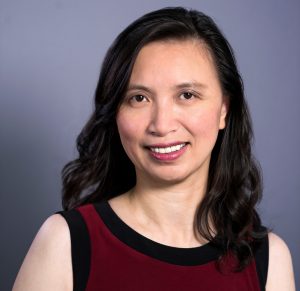
Wen Chen, MMSc, PhD
3:00 PM – 4:30 PM
Jin & Jin Golden Panel
Sponsored by Lifebrite
1. Beyond the Needles: Moxibustion & Other Thermal Therapies for Refractory Pain
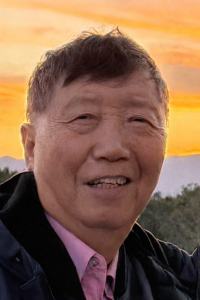 Guan-Yuan Jin, MD (China), LAc, Dipl. Ac & Herbs (NCBAHM)
What You Will Discover:
2. The Evolution of Dry Needling in America: A Father-Son Dialogue
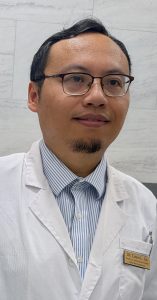
Louis Lei Jin, DAOM, LAc, Dipl. OM (NCBAHM)
Join us for an intergenerational conversation between Dr. Guan-Yuan Jin and his son Dr. Louis Jin, both accomplished acupuncturists, as they explore the complex history of dry needling’s emergence in the United States. Guan-Yuan Jin witnessed firsthand the development and promotion of dry needling techniques during a pivotal era in American integrative medicine. Drawing on his direct experiences with key figures who championed dry needling’s expansion beyond traditional acupuncture practice, he offers unique insights into the clinical, political, and professional dynamics that shaped this controversial evolution. This intimate dialogue between father and son provides both historical perspective and personal narrative, illuminating how dry needling’s trajectory has influenced the broader landscape of needle-based therapies and interprofessional healthcare in America.
4:30 PM – 5:00 PM
ASA 2026 Conference Wrap Up
Thank You to Our Conference Sponsors!
Platinum Sponsors

Gold Sponsors


Silver Sponsors


Bronze Sponsors
Biosketch of Conference Speakers
Julie Armstrong, DACM, LAc, MSBME, is a Doctor of Acupuncture and Chinese Medicine, Biomedical Engineer, and founder of Envision Wellness in Tucson, Arizona — a comprehensive integrative medicine clinic featuring an herbal pharmacy, education garden, and wellness programs for the community.
Dr. Armstrong earned her BS and MS in Biomedical Engineering from the University of Southern California in 2006, specializing in Neuroscience, Biochemical Engineering, and Medical Device and Diagnostic Development. Her passion for Chinese medicine began with her son’s recovery from a traumatic birth injury that left him with spastic quadriplegic cerebral palsy and a severe seizure disorder. After exhausting conventional options, she turned to Chinese herbs — reducing his seizures from constant to none within months. Inspired by this transformation, Dr. Armstrong pursued her MS in Acupuncture and Oriental Medicine from Dongguk University (2012) and her Doctorate in Acupuncture and Chinese Medicine from Pacific College of Oriental Medicine (2018).
Dr. Armstrong is a licensed acupuncturist in Arizona and California and serves as President of the Asian Medicine Acupuncturists of Arizona (AMAAZ), leading advocacy, continuing education, and professional growth initiatives statewide. In 2023, she founded The Smiles for Jo Foundation, a 501(c)(3) organization supporting integrative medical care for children with special needs, advancing her mission to make holistic, evidence-based medicine accessible to all.
Matthew Bauer, LAc, Dipl. OM (NCBAHM) began his private acupuncture practice in Southern California in 1986. His focus on geriatrics exposed him to peripheral neuropathy (PN) patients as the incidence of PN is higher in this patient population and effective mainstream medical treatment is elusive.
Over the next 30 years, Matthew developed a protocol for treating PN and decided to teach this protocol in 2023. Since 2023, Matthew has been lecturing and teaching around the world about acupuncture’s potential to spark neuro-regeneration in PN patients and the evidence that backs this claim up. In 2014 Matthew had founded the Acupuncture Now Foundation (ANF), a U.S. based, international non-profit with a mission of educating the public, healthcare providers and health policymakers about the practice of acupuncture. In 2024, the ANF launched a PN campaign to raise awareness that acupuncture should be regarded as a front-line, first choice treatment for peripheral neuropathy.
Wen G. Chen, MMSc, PhD, is Acting Director of the Division of Extramural Research and Training at the National Center for Complementary and Integrative Health (NCCIH), NIH. She provides scientific and managerial leadership for programs spanning basic, translational, and clinical research on complementary and integrative health. Dr. Chen also guides training and grant initiatives and shapes new research priorities to address emerging health challenges.
She earned her PhD in Biological Chemistry and Molecular Pharmacology and MMSc from Harvard Medical School, completing her postdoctoral training in proteomics at MIT. Before joining NCCIH, Dr. Chen served as a scientific editor at Neuron, a program coordinator at the National Institute of Mental Health, and a program director at the National Institute on Aging, where she led research on sensory and motor disorders of aging.
Brehan Crawford, MAcOM, LAc, Dipl OM (NCBAHM) is a clinician, educator, and cofounder of Crawford Wellness and Chorus, dedicated to advancing the clinical language of Traditional Chinese Medicine through the lens of modern physiology. His work bridges the gap between classical herbal wisdom and contemporary biomedical understanding, empowering patients and practitioners to understand and communicate traditional principles in modern language.
Over two decades of practice, Brehan has focused on chronic and complex illness — particularly disorders of the gut-brain-immune network such as dysautonomia, post-infectious syndromes, and digestive disorders. His social media content and clinical methods unite classical Chinese herbalism with current research on neuroimmune signaling, microbial ecology, and the autonomic nervous system. Through this synthesis, he has become a leading voice for integrating traditional medicine with emerging science while preserving the narrative and spiritual dimensions that make TCM a living art.
Brehan’s current projects include developing AI-assisted tools for tongue analysis; social media outreach; and publishing educational materials that expand public understanding of traditional medicine. His guiding belief is simple: when communities are nourished with clear language and authentic connection, they grow stronger.
Nicholas Dougherty, DAOM, FAIHM, LAc, Dipl. Ac. (NCBAHM) is a clinical acupuncturist based in St. Paul, Minnesota, where he practices with the Penny George Institute for Health and Healing at Allina Health — one of the nation’s leading institutions for integrative healthcare. He has been a licensed acupuncturist in Minnesota and a board-certified Diplomate of Acupuncture with the National Certification Board for Acupuncture and Herbal Medicine (NCBAHM) since 2013. Dr. Dougherty previously served as President of the Minnesota Acupuncture Association (MAA) and currently sits on the Board of Commissioners for NCBAHM, where he serves as Vice Chair of the Board.
Over his career, Dr. Dougherty has practiced in a wide range of healthcare environments, including larger public health institutions, multidisciplinary clinics, and solo practices. This breadth of experience and education brings a unique perspective and comprehensive approach to clinical care.
Dr. Dougherty’s education comes from the American Academy of Acupuncture (now the American Academy of Health and Wellness) in MN where he earned his master’s degree in 2009. He then furthered his clinical education by earning a Doctorate of Acupuncture (DAOM) in 2018, with a clinical focus on integrative psychology and reproductive health.
In addition, Dr. Dougherty is a Fellow of the Academy of Integrative Health & Medicine (AIHM), having completed its two-year, 1,000-hour Integrative Medicine Fellowship in 2024. This additional training provides a broad perspective on integrative healthcare delivery in contemporary settings and informs his contributions to advancing collaborative, patient-centered models of care.
Michelle Grasek, MS, LAc, is the host of the Acupuncture Marketing School podcast. She’s a practicing acupuncturist and marketing coach who’s been teaching marketing, both online and in-person, for 9+ years. In that time, she’s taught marketing to over 4,500 acupuncturists. It’s her mission to help you grow your business using marketing techniques that are genuine and generous.
Through her articles and online PDA courses, Michelle aims to help you outline a strategy, focus on marketing that’s authentic, and get new patients every week. She shares her practice-building tips and strategies on michellegrasek.com and on social media @michellegrasek.
Thoa Ho, DAOM, has been a practicing acupuncturist since 2012, dedicating my career to advancing integrative medicine and improving patient quality of life through evidence-based acupuncture care. Shortly after completing my initial training, I pursued my Doctorate while working with MD Anderson Cancer Center’s palliative care program. During this time, I contributed to the study “Acupuncture for Chronic Radiation-Induced Xerostomia in Head and Neck Cancer: A Multicenter Randomized Clinical Trial.” My role involved supporting patient care through acupuncture treatments and collaborating with the research team to help evaluate the impact of acupuncture on symptoms related to cancer treatment.
After earning my Doctorate, I continued to expand my involvement in clinical research. In 2020, I partnered with AdventHealth in Celebration, Florida, where I initiated and led a Quality of Life study titled “Acupuncture for Management of Endometriosis-Related Pain.” This project explored acupuncture as a non-pharmacological option for managing chronic pelvic pain and strengthened my commitment to interdisciplinary, patient-centered care.
Since completing that study, I have continued my work within the Veterans Affairs health system, where I focus on expanding access to integrative therapies for veterans. I founded VA VISN 8’s first acupuncture clerkship, creating a pathway for future practitioners to receive specialized clinical training within the VA. Currently, my work includes expanding the integration of acupuncture into the operating room to support perioperative care and pain management.
Guan-Yuan Jin, MD (China), LAc, Dipl. Ac & Herbs (NCBAHM) is an expert in medical acupuncture of six decades, as a former neurophysiologist, cardiologist, chronobiologist, and a pioneer of system medicine. He is the director of International Institute of Systems Medicine, USA, and serves as professor of DAOM programs at the Atlantic Institute of Oriental Medicine (ATOM) and the former American Academy of Acupuncture and Oriental Medicine (AAAOM), USA; He is also Honorary Professor of Guangzhou University of Chinese Medicine and Special Clinical Expert of Beijing University of Chinese Medicine, PRC. Prof. Jin is recognized as one of world’s leading experts in acupuncture, Chinese herbal medicine and Qigong/Tai-Chi therapies. He has been practicing acupuncture and TCM for over 60 years while treating over 200,000 patients (Including many world-class sports athletes) with excellent results. He has established “Systems Medical Acupuncture / Acu-reflex Point Acupuncture (ARPA)” and completed the reflexive reconstruction of the meridian system. He is a “Grandfather herbalist” (one of the first 18 herbal master practitioners recognized by NCCAOM/NCBAHM), and has authored /co-authored 27 medical books including “Principles of Systems Medicine” (World Book Press, PRC, 2019) and “Contemporary Medical Acupuncture: A Systems Approach (Springer-Verlag Publishers & Higher Education Press, PRC, 2007), which is praised as “filling a huge gap in the development and scientification of clinical acupuncture” and “ranking first in the world in terms of the depth and breadth of acupuncture medicine.”
Louis Lei Jin, DAOM, LAc, Dipl. AHM (NCBAHM) is a fourth-generation TCM clinician and a leading authority in integrative pain management. Based in Houston, he currently serves as a Visiting Professor at ACAOM (Texas) and CITCM (Canada), specializing in anti-inflammatory-based neuro-acupuncture protocols and integration with neo-classical acupuncture styles.
A long-term and dedicated volunteer with the ASA, Dr. Jin serves as a subject matter expert for the Acupuncture Trigger Point and Advanced Dry Needling Task Force and currently chairs the ASA Social Media Committee. He is also a valued member of the NCBAHM Artificial Intelligence Task Force and Society of Integrative Oncology, among others, exploring the intersection of traditional medicine and emerging technology.
As a key proponent of Acu-Reflex Point Acupuncture (ARPA), Dr. Jin bridges ancestral lineage with modern clinical efficacy. A prolific author of 10 books and over 30 papers, he is renowned for unique trauma-informed, mindful-based protocols that resolve complex, intractable cases through an integrative lens.
Brendan Kelly, DAHM, LAc, Herbalist, has a Masters degree in acupuncture from the Academy for Five Element Acupuncture (AFEA) and in 2005 began frequent in-depth study of Classical Chinese Medicine with Dr. Jeffrey C. Yuen. Brendan also has Doctoral degree in Acupuncture and Herbal Medicine (DAHM) from Daoist Traditions which included training in orthopedics, endocrinology, neurology, pharmacology, Chinese medicine history and philosophy, western lab analysis, and health policy. Brendan also has a BA degree from Swarthmore College in political science. To date, Brendan has administered over 35,000 individualized acupuncture treatments and prescribed over 17,000 customized herbal formulas .
Brendan has also been on the faculty at AFEA in FL and has been an adjunct professor at Johnson State College/Northern Vermont University in VT and Daoist Traditions in NC. He also teaches about many aspects of Chinese medicine, western herbal medicine, sustainability, and climate change at schools, universities, educational centers, and conferences around the US and Europe. In 2015 North Atlantic Books published his first book “The Yin and Yang of Climate Crisis,” which uses the lens of Chinese medicine to look at the underlying causes of our warming planet.
Zena Kocher has been practicing Traditional East Asian medicine (TEAM), specializing in women’s health since 1995. Currently, she has been the supervisor of the Inpatient Program at Allina Health for 5 years and has been a provider for Penny George Institute for Health and Healing at Abbott Northwestern hospital for more than 20 years. Utilizing acupuncture, massage, mind body techniques, and aromatherapy, she supports patients with an Integrative approach. Since 2024, she has expanded the continuum of care into the outpatient OB clinics. She was certified in shiatsu massage in 1994, trained in TEAM with Dr. Duc Kieu, a Vietnamese Herbalist and Master Acupuncturist from 1995-1998 and received her master’s degree from Northwestern Health Sciences University in 2002. Recently, she has published a case study and retrospective study, investigating the effects of acupuncture and acupressure on patients with high-risk pre-eclampsia.
Jason Landry, LAc, Dipl. OM (NCBAHM), is a licensed acupuncturist and TCM practitioner with more than 14 years of uninterrupted clinical experience treating complex cases, musculoskeletal injuries, and pain. He has a proven record of enhancing clinical workflows, integrating evidence‑based practices, and supporting multidisciplinary care teams in both outpatient and inpatient settings. Jason currently serves as an outpatient acupuncturist with Allina Health in Eagan and previously provided inpatient acupuncture at Abbott Northwestern Hospital to support surgical, oncology, and medically complex patient populations. His academic background includes serving as a Ranked Faculty member and Associate Professor at Northwestern Health Sciences University, where he led curriculum development and modernized instructional technology. Jason is recognized for his commitment to high‑quality patient care, clinical excellence, and effective provider mentorship.
Kate Levett, PhD is a Senior Research Fellow, at the University of Notre Dame Australia, Sydney School of Medicine. She is an epidemiologist, maternal health research specialist, and Chinese medicine research-practitioner. She is an adjunct Fellow at the NICM Health Research Institute at Western Sydney University and an Honorary Fellow at the Collaboration for Midwifery, Child, and Family Health, at the University of Technology Sydney. She has received a Govt Ministerial appointment to the Chinese Medicine Council of NSW, and has over 20 years’ experience in clinical trials, public health research and epidemiology, education, and a clinical practice.
She is involved with international collaborative research networks in maternal health, complementary therapies, and obstetrical acupuncture with a focus on promoting models for integration of care. She is a mentor in the MAMPS Program (Maternity Acupuncture Mentoring and Peer Support), a research advisor for the New Zealand School of Traditional Chinese Medicine, and a board member of the Obstetrical Acupuncture Association (OBAA) Canada, and is the Australian Ambassador for the Society for Acupuncture Research (SAR), and co-lead for the SAR Women’s Health SIG. She is a member of the Science of Physiological Birth Cluster at the University of British Columbia, Canada, and Maternal Infant Health Canada (MIHCan), where she collaborates in the delivery of international programs for humanised birth care using traditional Chinese medicine skills.
Colleen D. Lewis, LAc, MSOM, MQI, began her journey into Chinese philosophy and medicine via Tai Chi and Qigong, while a union stage manager. Master Shou-Yu Liang certified her as a Medical Qigong Instructor in his broad encompassing system in 1998.
She began sharing playful exploration of qigong with others in 1985. Qigong sustained Colleen through acupuncture school by supporting strength, resilience, and energy. This was particularly valuable to navigate the six-hour weekly commute, hours of study, practical internship, and a month training in China. After graduation, qigong underpinned opening and maintaining multiple private clinics, while working as acupuncturist and qigong instructor for UW Madison Integrative Health (now Osher Collaborative Center) and with stressed-out, exhausted students on campus. Whether leading, following, or sharing this healing practice, something new and relevant appears.
Wendy (Weihui) Li, PhD, LAc, MBA is a biomedical engineer, licensed acupuncturist, and healthcare innovator dedicated to bridging modern science and traditional medicine. She is the Founder and CEO of Wellness Allied Inc. and Acupuncture Herbs and Beyond, where she leads initiatives integrating biomedical technology, data analytics, and classical acupuncture to enhance holistic patient care. Dr. Li earned her Ph.D. in Biomedical Engineering from Tulane University.
A former Associate Professor of Biomedical Engineering at Wentworth Institute of Technology, Dr. Li has taught a broad range of courses in medical electronics, artificial intelligence in healthcare, and mobile health system design.
Dr. Li’s research has been supported by the American Heart Association, the Global Gateway Foundation, and institutional innovation grants. Her work has appeared in leading journals such as Heart Rhythm, PLoS ONE, and the Journal of Acupuncture & Meridian Studies. In recent years, she earned an MBA from Boston University’s Questrom School of Business. Through her companies and academic collaborations, Dr. Li continues to pioneer a new frontier of evidence-based, technology-empowered acupuncture and integrative medicine.
Lindsay Long, LAc, C.SMA, MSOM, is a seasoned acupuncturist, educator, coach, and business strategist who helps acupuncturists build sustainable, profitable clinics without burning out. She holds a master’s degree from NWHSU in Bloomington, MN and an undergraduate degree in Sports and Health Psychology, and has been in private practice since 2008.
Lindsay built and scaled two successful cash based clinics in two different states, one from scratch and one by purchasing and growing her mentor Whitfield Reaves’ practice. She has taught sports and orthopedic acupuncture to students and licensed practitioners and has mentored clinic owners across the United States on practice growth, systems, and patient centered marketing.
Under her brand “The Famous Acupuncturist,” she now focuses on helping creative and sensitive acupuncturists understand the business side of their craft and ethically leverage AI and modern marketing so they can serve more patients with less overwhelm. Her work centers on empowering acupuncturists to claim their value, develop a strong voice in today’s health care landscape, and build practices that are financially and emotionally sustainable for the long term.
Amy E. Mager, DAOM, LAc, Dipl. OM (NCBAHM) has been licensed to practice acupuncture and Chinese herbal medicine since 1990. Amy graduated Phi Beta Kappa, Magna Cum Laude from Brandeis University. Earned her MS in TCM from ACTCM in 1989 and her Doctorate in Acupuncture, Chinese Medicine and Integrative Medicine from the Pacific College of Oriental Medicine in 2017. She has been in private practice in CA and MA for over 35 years. Amy is a trained Birth and End of Life Doula and Childbirth Educator. She is a certified hypnotist and Lactation Counselor.
Amy chairs the ASA Federal Advocacy Committee and serves on the Medicaid, Insurance, Research, and Herbal Medicine Committees. Amy also serves as a member of the NCBAHM exam development question writing Committee for the Foundations of Oriental Medicine exam and as a member of the NCBAHM State Relations Task Force.
Kelly McBride, LAc, Dipl. OM (NCBAHM) is a Minnesota-licensed and NCCAOM-certified acupuncturist with 20 years of experience in community-style, outpatient, and hospital-based care. She founded her private practice in 2006, including five years focused on community acupuncture, before transitioning into acute care at Abbott Northwestern Hospital from 2011–2023. There, she worked across multiple departments and helped build integrative acupuncture services in oncology, chronic pain, and acute rehabilitation. Since 2014, Kelly has practiced at the Penny George Institute for Health and Healing clinic in Plymouth and Courage Kenny Rehabilitation in the physician’s outpatient clinic in Golden Valley. She is passionate about collaborative care models that integrate acupuncture and integrative services into modern Western healthcare delivery settings.
Heidi Most, D.Ac, L.Ac, Dipl. Ac.(NCBAHM), is a Professor in the Acupuncture and Herbal Medicine Department of NDMU-SIOH. She is published in the areas of 5 Element acupuncture, acupuncture and dry needling, and acupuncture education and co-created the acupuncture protocol for and was a practitioner in a pilot study of acupuncture, physical therapy, and low back pain, completed at the Baltimore Veterans Administration Hospital. Dr. Most is the chair of the Society for Acupuncture Research Special Interest Group on Education and has been a principal investigator for a survey of subject matter experts, stakeholders, and students, in order to improve acupuncture research education. Among other courses, she developed and taught the Integrative Science of Acupuncture, which explores the past, present and future of acupuncture research; Mind Body Science; Chinese and Western Dietary Therapy; Foundations of Oriental Medicine; and Interdisciplinary Diagnosis and Treatment (Doctoral program); and has been a clinical supervisor. She currently teaches History and Evolution of Acupuncture Research at Daoist Traditions College of Chinese Medical Arts in Asheville, NC.
Megan Odell, LAc is an Acupuncture and Herbal Medicine practitioner at Allina Health’s Penny George Institute for Health & Healing (PGIHH), the largest hospital-based integrative medicine clinic in the country. She sees patients at Minneapolis’ Abbott Northwestern Hospital, specializing in pediatrics and women’s health. From 2023 to 2025, she served as the Clinical Lead for the PGIHH Acupuncture program, providing clinical oversight for more than 30 acupuncturists in 20 locations, including standalone integrative health clinics, primary care clinics, and specialty care clinics (a cancer institute, rehabilitation institute, a pain center, and women’s health clinics). Prior to serving as the PGIHH lead, she is proud to have founded the TCM program at the National Center for Integrative Medicine (NCIM) in Bristol, England; she continues her work with NCIM as a core tutor on the masters-level diploma in integrative healthcare, teaching the module on “Critical Appraisal of Integrative Medicine Research.” Megan serves on the Board of the Minnesota Acupuncture Association, serving as Vice President and primary delegate to the ASA.
Jill S. Rahn, M.S.AOM is a Licensed Acupuncturist and Outpatient Acupuncture Program Lead with the Penny George Institute for Health and Healing. Jill has more than 20 years experience practicing TEAM Medicine in both a large health care system as well as running a small business. Jill has worked in a variety of inpatient and outpatient settings with a practice focus on Oncology and Women’s Health. Jill is passionate about supporting acupuncture program growth with a focus on financial sustainability and implementing metric capturing tools to support value communication. Jill’s current intent with her work is to ensure long-term and widespread accessibility of TEAM modalities for patients and quality professional opportunities for providers of this timeless medical practice.
Tuesday Wasserman, DACM, LAc, Dipl. AHM (NCBAHM), CD(DONA) is the Manager of New Program Development for the National Certification Board for Acupuncture and Herbal Medicine (NCBAHM). An acupuncturist and educator, Tuesday has experience in hospital-based in-patient and out-patient care, as well as private practice. Their hospital-based clinical experience includes pain management, neurology, orthopedic rehabilitation, labor and delivery, and oncology settings.
In their current role, Tuesday works with the NCBAHM to support credentialing programs that uphold high standards and reflect evolving healthcare practices. Credentialing and professional certification is essential for building trust within the profession and with the broader medical community, ensuring practitioners demonstrate competency and specialized skills. These efforts support the integration of acupuncture into hospitals and collaborative care environments, promoting safe and effective patient care.
Ayla Wolf, DAOM, LAc, Dipl. OM (NCBAHM), is a leading specialist in neurological rehabilitation and the author of the newly released book, The Concussion Breakthrough: Discover the Missing Pieces to Recovery. She hosts Life After Impact: The Concussion Recovery Podcast. With over 20 years of clinical experience, she is known for her integrative approach to treating complex conditions like post-concussion syndrome, traumatic brain injury, dizziness, migraines, and dysautonomia. As the founder of Healing Response Acupuncture & Functional Neurology in Lake Elmo Minnesota, Dr. Wolf combines applied clinical neuroscience with holistic therapies to deliver highly personalized care. She is an Associate Professor at the Carrick Institute and speaks internationally on concussion recovery and brain health. She is involved in ongoing clinical research on the effects of acupuncture for post-traumatic headaches. Prior to living in Minnesota she served as the team acupuncturist for UFC and Legacy fighters at Fortis MMA in Dallas, Texas.
Our Industry Sponsors